
Essays · The Dekolonial Paperz · 13
Closing Remarks
William Ifeanyi Moore · 3 min
It will be largely up to Africa to develop her own publishing industries to create our own standards of storytelling that continue to propagate our aesthetic preferences — though once in a while, we can be happy for the likes of Kazuo Ishiguro from Japan taking the Man Booker home with what read very much like a surrealist novel. Writers like Ben Okri and, more recently, TJ Benson and Akwaeke Emezi have works grounded in African realities in a manner that attracts the term "magical realism", because the expressed realities in these stories exist outside of the material objective paradigm that seems to play the role of standard.
By developing platforms that position our own aesthetic as the standard of measurement, we are able to create a value ecosystem that doesn't rely on external validation. It is all well and good for Burna Boy to win Best International Act at the Grammys, but it would be even better to award Kendrick Lamar the Best International Artist at an African-oriented music award. But why is this so important? Why not just join the globalising push and take our place on the Afrobeats chart and international category?
The reason identity-focused aesthetics matter is because they are a core part of how we reference our identity. They are the embodiment of our abstractions over the ages, and so they carry information spanning ancestors over our history. Aesthetics matter for the same reason flags and coats of arms matter, for the same reason a national anthem matters. They are living artefacts of our identity; and while we might not always be expressly aware of this — largely because we have been misinformed about how to contextualise our native aesthetics — we still find ourselves drawn to the flamboyance of our traditional attires, we are still prone to energetic dance moves over drum-based beats. Even with the split identity of a colonised mind, we are still unable to allow the identity of the modern Europeanised citizen eclipse the pre-colonial memory instinct.
To end this trilogy, I will quickly touch on the colonial split-personality disorder every African will have to face growing up in the world today. Interestingly, W.E.B. Du Bois noted in his study of black Americans in 1903 how they existed with a double consciousness. On one hand, they are Americans and identify with all the associated ideals; and on the other hand, they are black people, and this secludes them from being completely American. For Africans, we are often socialised to primarily identify as post-colonial citizens. We speak and learn in colonial languages, practise colonially imposed religions, and generally aspire to European ideals like speaking "properly" — meaning to speak English without the intrusion of our mother-tongue accent — the list goes on. But also, in the context of the global world where we cannot be Europeans because Europeans already actually exist, we retreat into an African identity and cling to our pre-colonial heritage as a way to define ourselves. Here on the continent, whenever there is a deviation in Western thought and morally charged traditional values, we are also quick to come out with phrases like "it's not in our culture to leave old people in homes." This is one of my father's favourite lines to remind me about the supremacy of the family over the individual present in many African cultures. On this one issue, we are Africans. But on letting my hair grow in twists, he would rather a European-approved buzz cut.
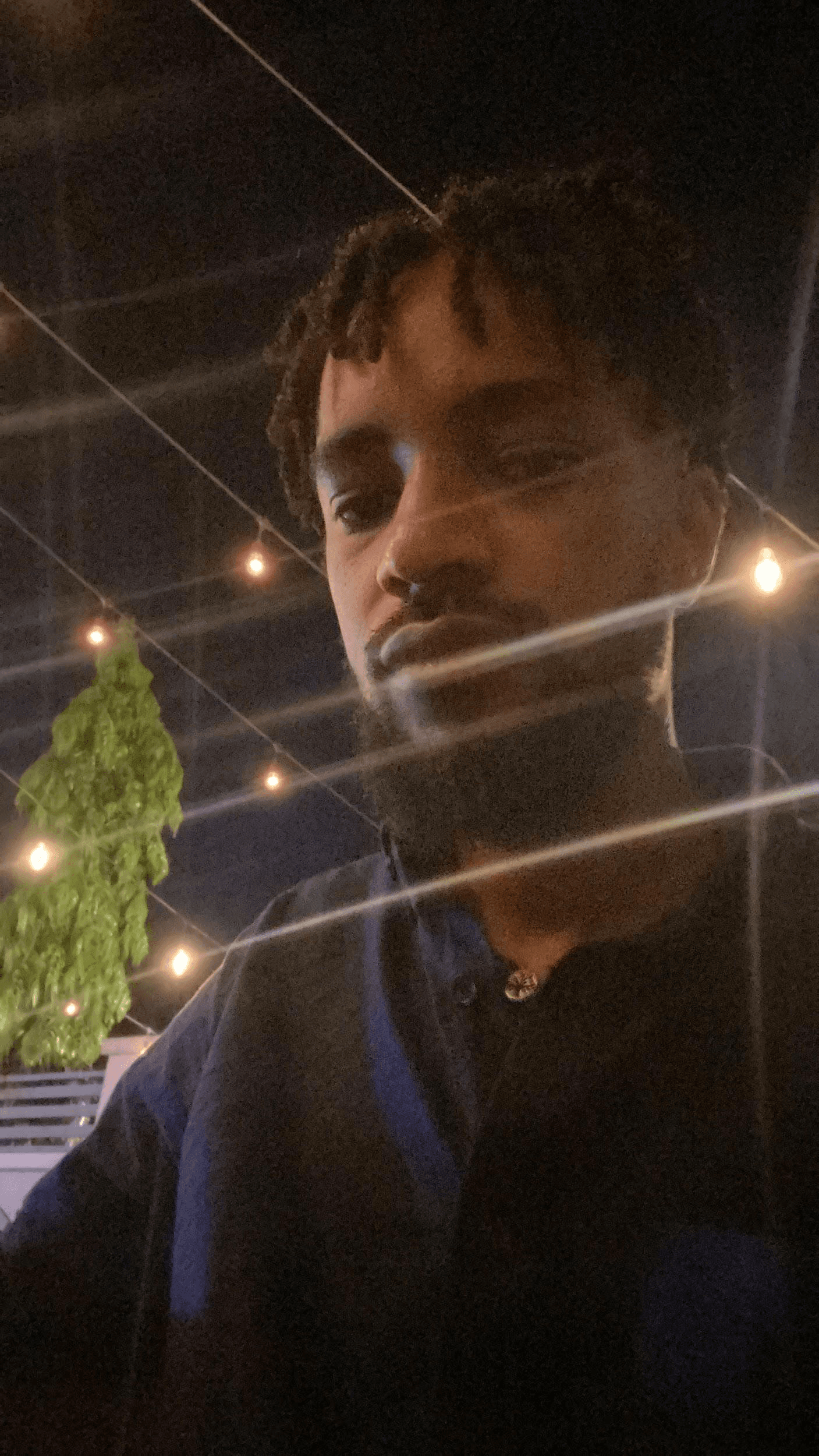
This fracture in identity births many complexes as we struggle to reconcile with the question of who we are. To this I will submit that there can be no reversal of the colonial process. What has happened is already a part of our history. However, it is left for Africa to get into the business of narrative-building — to position our own thoughts and projected aesthetics in a place where they are understood enough to effectively co-exist with our colonial experience, in a way that doesn't require the rejection of our history while battling the acceptance of the present. In summary, African history isn't slavery or colonisation. It is human history that must be contextualised to the African in a manner that allows a more holistic view than the common assumption that the pre-colonial African was an entire continent lacking in civilisation.