
Essays · The Dekolonial Paperz · 01
What Is Colonialism?
William Ifeanyi Moore · 5 min
Colonialism is the process whereby a people are forcefully stripped of their historical cultural identity and all its incidental simulations to be replaced by an invading culture postured as the new ideal to generate a self-regulating simulation even after the major forces of control are removed.

Basically, it is an invader replacing a native people’s culture and history with a new culture and history by convincing the native people that the new foreign way is better up to the point where the natives themselves will start hating and destroying their own historical culture in their bid to idealise the new invader’s culture.
What is culture simulation?
Every culture that is human and social must communicate; the individual within the self and then with other people existing within the cultural framework. The cultural framework consists largely of people in the cultural group bound by language, spiritual beliefs, geography, political ideology, cultural practices, and other historically common grounds. In our day-to-day interactions, we see these cultural networks interact with sign exchanges. For example, it is normal to refer to your Nigerian boss as ‘sir’ or ‘ma’ because the cultural network has a lot of respect for power distance. Within the interplay of a subordinate and their supervisor in our simulation, language that signifies authority is hence an expected signal in our interactions. In many countries where power distance is not primary, or certain organisations even within Nigeria, first names are used regardless of rank and terms like ‘sir’ or ‘ma’ are considered negative. And if you were wondering what I mean by power distance, look no further than its champion, the social psychologist Geert Hofstede, who defined it as the extent to which a society accepts that power in institutions and organisations is distributed unequally.
The aggregate of the general beliefs held at any given time forms the basis of the cultural simulation. For example, 400 years ago in many African tribes, the notion of monogamy was far from the “ideal” in the simulation, as having many wives and children was culturally designated as a status of aspiration. Hence it was more likely that most men would aim for this because it was what the culture oriented one towards by way of the simulation rewarding such behaviour on the social level.
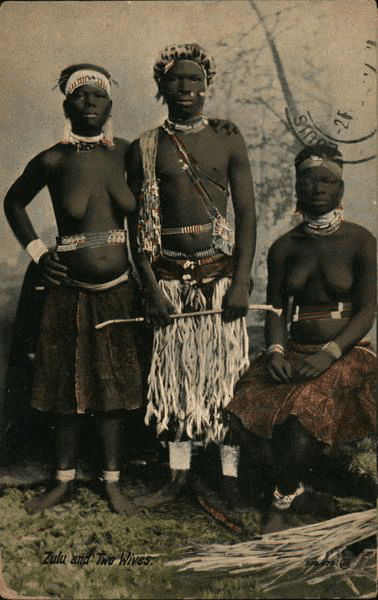

Today, while we may debate on the execution of the ideal, we regard monogamy as the standard of aspiration and the idea of even a “side-piece”, let alone a full-blown second spouse, is now completely de-centred from favour. Needless to say, while it can be difficult to imagine the concept and purpose of marriage in pre-colonial African society, romantic love as packaged by the West was certainly never at the forefront. This is why, for example, you would hear stories of older accomplished women getting married to younger women and sending them off to men to get pregnant so they might return with an heir. It was just a different time.
As can already be seen in this example, the simulation is not one static thing that plays in a loop. Rather, it is an evolving thing that normally resolves to a state of “fluxing homeostasis”, balancing out existing tensions between thesis (already held ideal beliefs) and antithesis (emerging challenging beliefs).
For example, in theism, you have deists (there is a God) and atheists (there is no God) in a dialectic (debate), and depending on what country you go to, either can be the dominant idea active in the simulation. For the person from a deist-dominated simulation, being dropped in an atheist-dominated space can be quite disorienting and vice-versa because everyday interaction and code of conduct can be affected. I for one recall moving to England and witnessing people eating without saying any prayers. In my performative Christian years, even this triviality was a shock to my understanding of reality.
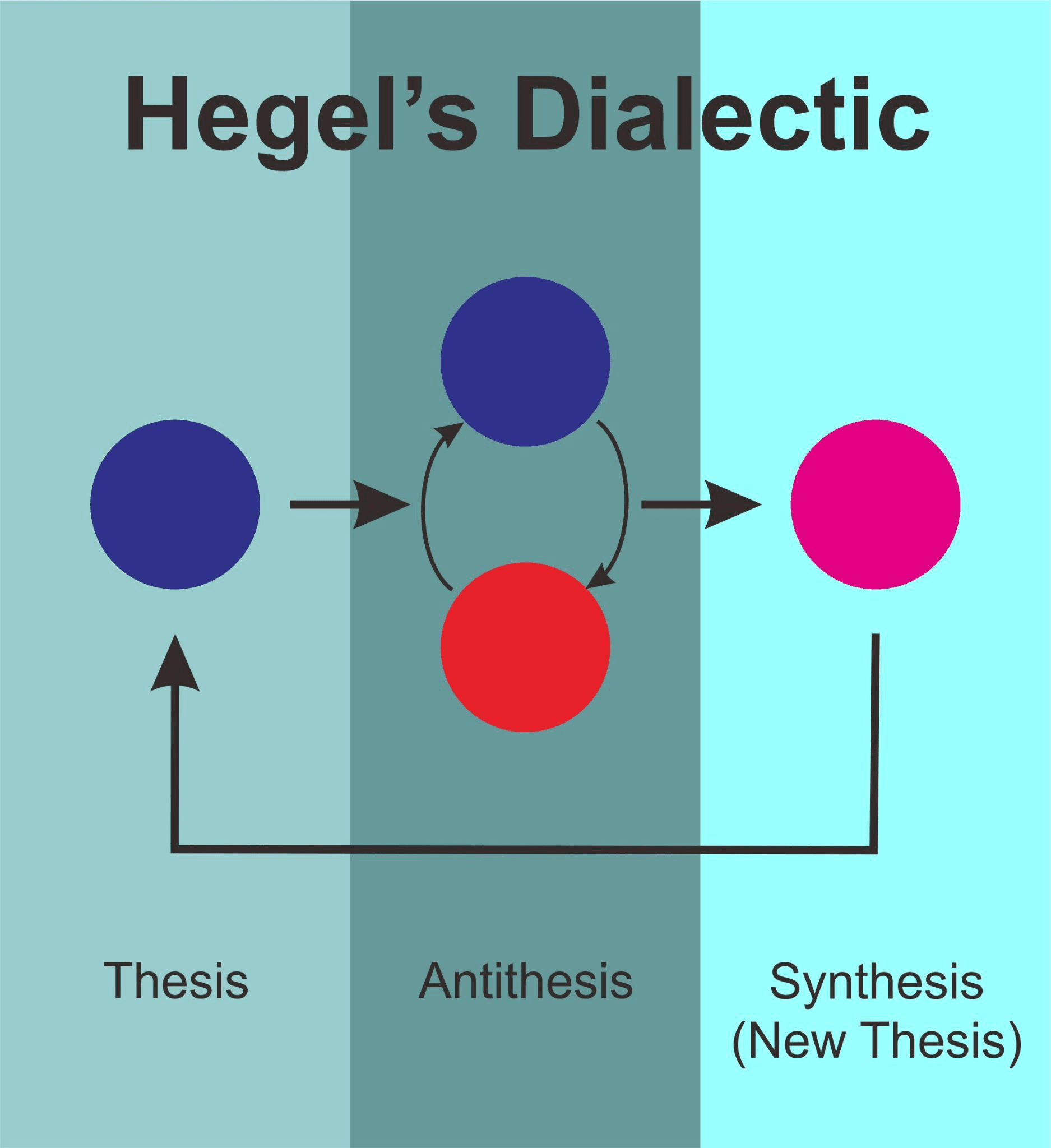
Almost without questioning and possibly with the greatest illusion of choice, we tend to accept the dominant cultural narrative of our time, becoming agents that propagate the simulation. It is often the youth of a time that develop counter-culture ideas (antithesis) and narratives that try to challenge the standard for progress or at least the appearance of it.
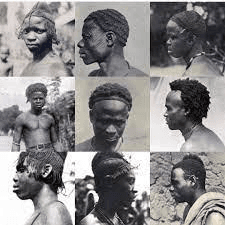
Today, we can see this in the radical reclaiming of Afrocentric hairstyles colonially cast as irresponsible, unclean, unkempt, and other such negative connotations. In the ’90s in Nigeria, most parents were so aligned with the colonial machines as agents that they tried to convince us that any style short of a buzzcut (fade) was actually reserved for street-roaming madmen. Today, thanks to artists and tech bros, this once-denounced rich heritage is finding its way back into African consciousness without the feeling of shame attached to it.

In Summary
Colonialism in essence is one culture bringing a whole new antithesis into the simulation and forcing out all the original cultural thesis to the point where people in the simulation will start forcing out their own history in their bid to rise to the ideal standard of the enforced thesis.