Essays · The Dekolonial Paperz · 02
How to Colonize a People 101
William Ifeanyi Moore · 9 min
“To kill a dog, first, you must give it a bad name.”
A people are normally adjusted to the memes of their simulation and we see ourselves propagating these beliefs through imitation with little thought. This is basically what we call “following tradition”. There is a comfort in this method because we believe outcomes to be more predictable. If you go to school and do well, you’ll get a good job and live a good life. If you get married at a certain age, you will have kids young and it will be a better life — you get the drift. These inherited assumptions (traditions) aren’t always fitting for our own time, but still, we tend to embrace safety because adventure is risky and uncertainty makes us nervous.
To make matters worse, a degree of cultural protection is often afforded to people who follow tradition and denied to people who do not, even with punishment sometimes. For example, a young woman in many parts of Nigeria may struggle to rent a house today if she doesn’t have a husband to stand in as a sort of guarantor. I would say minor as it is, but there is nothing minor about this! And this is just one force of culture leaning on the female will to resist the dominant simulation that dictates that marriage is a thing with an expiry date.

Sometimes so deep is the encoding of this simulation that even when we intellectually tell ourselves that we know better, our body refuses to adjust, with anxieties popping up whenever we feel misaligned with the norm. For example, a woman might tell herself that age means nothing when determining the success of a marriage, but still feel a sense of dread when her age pushes beyond the traditional calendar. A man could tell himself that he is not defined by his ability to provide, but take away that ability and he might find himself feeling a strange impotence. These codes of the simulation are deep-rooted enough to be thought of as bio-social and they are as present in our everyday as the air we breathe. Most of the time, we don’t even know we are doing it.
So how then would it have been possible for a new culture to come in and completely unearth the traditional system if all the simulations come fitted with protective cultural forces to protect them from sudden erosion by an antithesis (opposing culture)?
Step One: Simulation infiltration
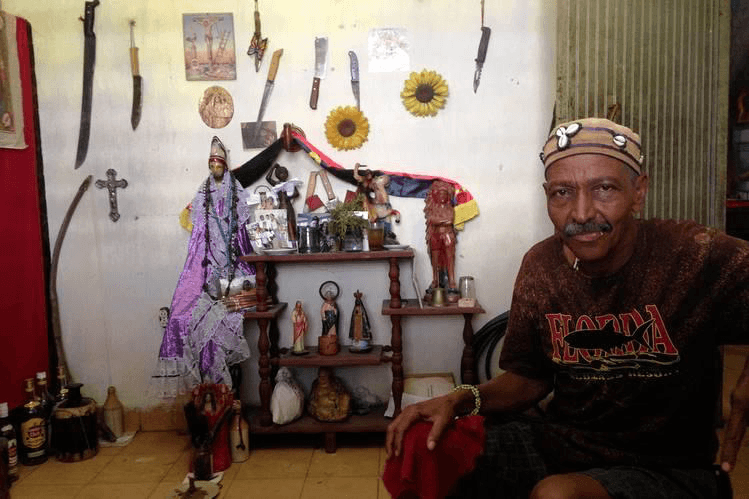
This first step occurs when the imposing culture first presents itself as connected to the native culture to enable quiet assimilation into the established simulation. In Eastern Nigeria for example, Igbo cosmology was fused with Christianity referencing Jesus Christ the Son of God as Jesus Christ nwa Amadi (Amadioha). Amadioha represents the force in Igbo cosmology identified as Ikenga Chukwu (the will of the divine).
Such use of language and cultural conjectures helps to serve as a “safe” bridge between European culture and African culture allowing for the transport of other elements that will later go on to de-centre and replace the native simulation. It is seen primarily in religious/cosmological views, which form the foundation of any given culture.
Step Two: Simulation distortion

As soon as enough similarities have been drawn between the imposing and native cultures forming a bridge of trust, the imposing culture moves to the step of distortion — AKA white is right!
In simulation distortion, you find the debasing of native ideas (thesis) intended to demean its meaning and importance. This is where, for example, you find the notion of old African women being branded as “witches” because they could never bend to the imposing culture.
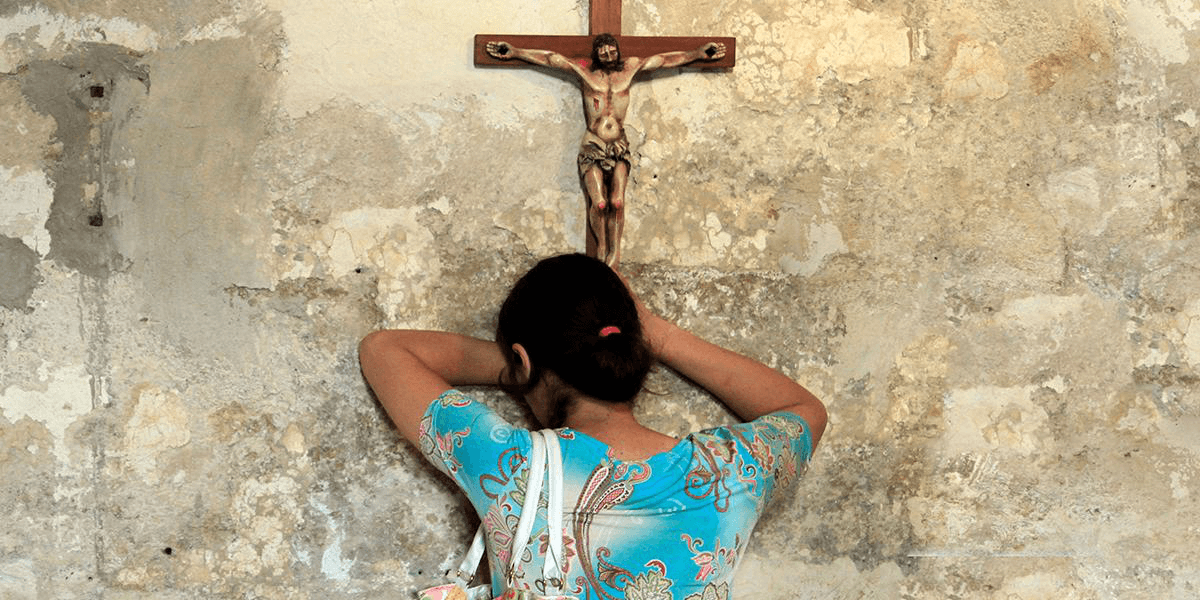
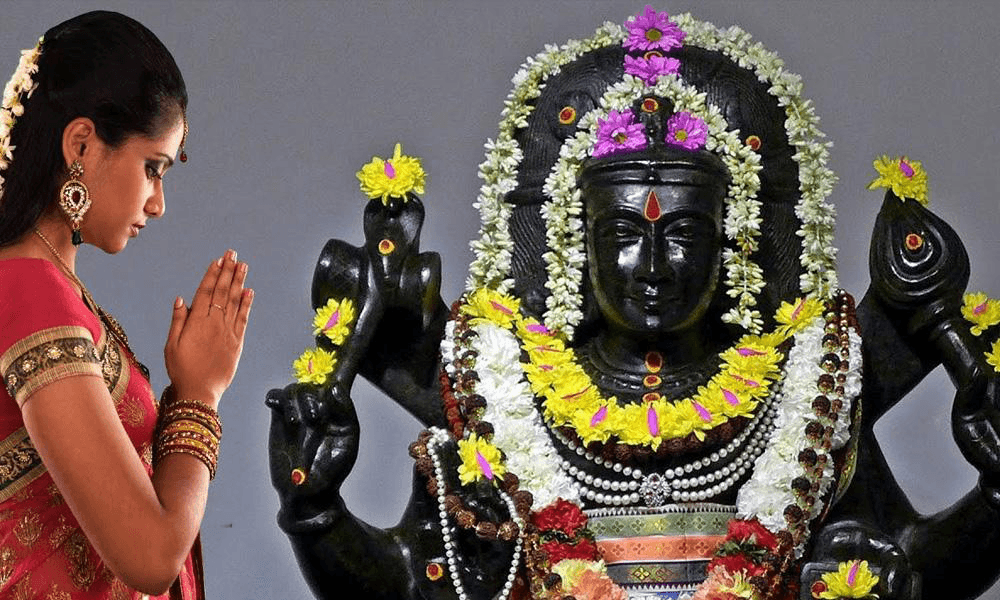
You also have notions that symbolic representations are idols and evil, which is funny, because even in Christianity, the cross, the Virgin Mary, and images of Christ often stand in as material symbols but are never considered “idols”. This is because they are never distorted from their meaning. However, something like an Ikenga sporting ram horns to represent the individual will is cast as meaningless, evil, and primitive.
This act of distortion at its roots seeks to uproot pre-colonial concepts from acceptance by demeaning native symbols as inert, evil, false, or just pointless.
Step Three: Simulation displacement (decentring)

Once a people are convinced that their ancestral and native ways are somehow lacking in potency, the next move is to introduce the invader’s way as an alternative. But not just any alternative — one to replace the aspirations previously held by the old ways. So now, a person who wanted to live by the laws of Amadioha is convinced that the ways of Jesus are better. And a whole set of rules is brought in with this.
The young are often the best target, and in a situation where the old already buy into the idea that the invader comes with a superior culture, the young are encouraged to learn the new ways and they grow up to become propagators of the simulation. This explains why the typical African boomer tends to idolise all things European and would even ask their children not to speak native languages for fear of their accent getting “corrupted”.
Step Four: Simulation replacement
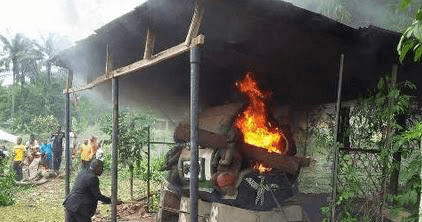
In the last stage, we see a complete replacement of native systems with foreign systems. This can only occur when the native thesis has been decentred enough that it is now being rejected and a vacuum has been formed where it once held function.
For example, a population that has no faith in God will now have to lean on the government harder for justice. In the case of Africans, this meant the replacement of our cosmological systems with Christianity and the result is still being felt in our culture today where Christian virtues form the basis for our moral standards and even our sense of aesthetics.
Once all the notable native ideas of the self and culture have been replaced by foreign aspirations, the incidental event is a shift in culture.
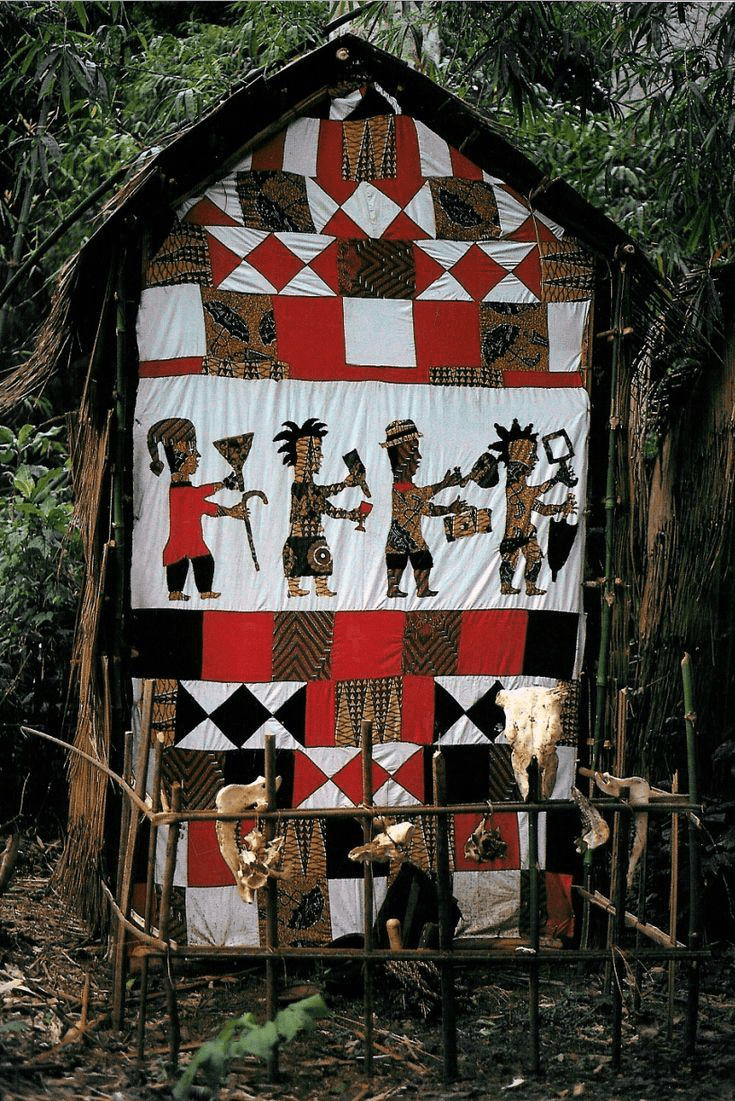
For example, the introduction of Christianity saw the birth of congregational religion in Africa displacing the pre-colonial practice of individual worship in personal shrines. This might seem like a minor change in habit, but the effects live on today as many Africans would rather outsource the work of spiritual enlightenment to a pastor where they would have been forced to find their own meaning alone in a pre-congregated spiritual system.

vs
Not much to say here…
We also see the effects of a shift in gender relations as women became more oriented with the European ideal of both function and aesthetics.
For example, the African woman with eons of industrious action in farming, crafting and trading (not to say that other forms of gender discrimination didn’t exist) is now made to subscribe to the ideal of a domestic-only function imported from Europe and America in the ’50s. Not like the current economy would let this survive as single-income households become a reality exclusive to the rich.
Lastly, when cosmological views that conceive the very land to be worthy of being considered a subject and not just an object for resources are displaced, the notion of having covenants with the land becomes seen as primitive. So while we cry about oil spills and soot in the air, we forget that our ancestors once considered the environment as a living entity we were dependent on, not a dead belly of resources to be exploited without regard for sustainability. We have become so disconnected from the land that we have forgotten we now think of ourselves as masters of it instead of guardians of it.
Closing remark
There is too much on the subject of colonisation to fit in any one essay, but I hope that this introductory piece gives you a window into how the process is introduced and sustained over time.
At its core, colonialism pushes a narrative that the historical African way of being and perception is somehow “different” as it is formed from concepts branded primitive or superstitious without any investigation into its meaning.
For example, we are fine with drinking wine and eating bread as the blood and body of Christ because we understand the concept and ideas behind the symbolic act. But task an African to draw some lines with nzu (chalk) and pour some liquor on the ground for ancestral veneration and all of a sudden, we act like something beyond paying respect to the memory of people before you is going on.
It is this idea that there is something sinister or foolish in our pre-colonial ways that we still struggle with today as we try to make peace with a history of cultural violence that continues to plague the continent with no access to the memory of a time now gone. More to come in the next instalment.