Essays · The Dekolonial Paperz · 03
Power Dynamics in Colonial Relationships
William Ifeanyi Moore · 3 min
Black man on white strings — if you don’t gerrit, forget about it!
Power dynamics can best be described as the relationship governing the balance of power between any group of entities. For the purpose of this essay, we will hence be looking at the power relationship between us and our post-colonial reality, and the role that colonial concepts and structures play in defining this. First, let us understand the different frameworks of power.
- Slave-Master
- Reject-ideal
- Vulnerable-Liberator
Slave-Master
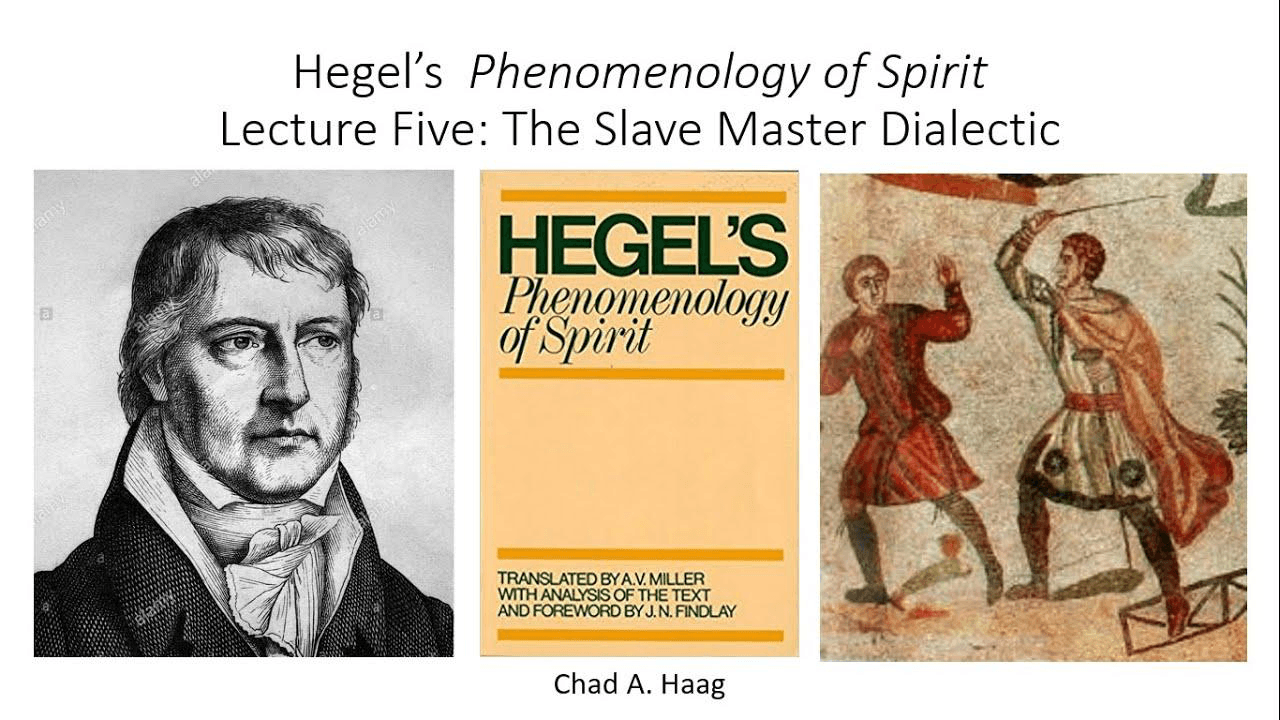
The slave-master dialectic is probably best known from the work of the German philosopher Hegel, who among other things declared the Africans too “spirited” for philosophy and more suited towards instinctive creativity.
In this dialectic, two entities are seen with the relationship of a slave and master, with each hoping to be realised through the other to become human. However, the master cannot grant the slave the full rights of their humanity because that would mean freedom, and the slave can’t do the same for the master because it would require rebellion to see the self as equal to the master.
Hegel concludes that the rebellion at the end is inevitable as the slave will eventually be exhausted from constant dehumanisation.
Following this line of thinking, you would expect a great African uprising to break free from the cognitive and cultural grasp of the West. But what do you see when you look around?
Reject-ideal
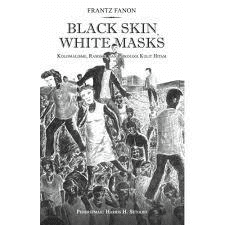
The reject-ideal dynamic wasn’t exactly named so by Frantz Fanon, but I think it’s much easier to understand with this term. Essentially, Fanon argued that sometimes the slave never gets to see the master as an oppressor but as an aspiration — an ideal. In this case, rather than wanting to revolt against the master, the slave only wishes to become more like the master, hoping to gain their humanity through the master’s approval.
Sadly, this is the post-colonial condition most Africans suffer from today. It is why we are more Christian than the Europeans, more conservative at least in performance.
It is why we are fine with a suit and tie at 35 degrees of scalding sun but a light native robe is “not acceptable” — yet we would look at the Emirates in their white robes in the office and accept that. More than wanting to break free from the colonial grip, we hope to warm up to it, thinking that eventually — when we have killed enough of all the things they have shamed about us — we can finally attain our humanity.
Vulnerable-Liberator
While I can’t tell you what philosopher popularised this or if it is even a thing, this power dynamic considers the notion that not all external forces have come to oppress. It is claimed that the earliest black civilisation played this role, travelling the globe and trying to bring light to a dark world. When you contextualise it in time, really, what resources was one going to oppress the earliest humans for?
The argument still rages on today, but it stands to reason given linguistic and cultural traces that this job of global civilisation was an African-first movement spreading from the rainforests and savannahs, but this will be explored in a completely different essay. It has only been highlighted here to show alternate possibilities in power relations that don’t always result in the oppressor and oppressed dynamic. We can be nice to strangers too.
Funny how Western movies about alien invasions always feature oppression and an attempt at colonisation. A subconscious projection perhaps?