Essays · The Dekolonial Paperz · 04
School: The Factory of Intellectual Control
William Ifeanyi Moore · 7 min
Mechanisms of Control in Colonial Relationships
It’s one of these!
As discussed in the previous notes, for any simulation (way of life) to be maintained, there has to be a host of systemic power coordinators in action constantly chipping at the individual, to result in the culturally preferred behaviour.
In some cultures, extreme measures are taken and fear can be used to establish this order. You see for example how sexual monogamy in marriage can be policed by punishment as harsh as stoning a person to death. Or acts of shaming when a thief is made to carry a stolen item while walking around a public place to be recognised and teased by all. No one wants that.
For the colonial project, while there are everyday actions and expectations from individuals of our society pushing us to align with the simulation — there are four major factories where the order of these simulations is set.
School: The Factory of Intellectual Control
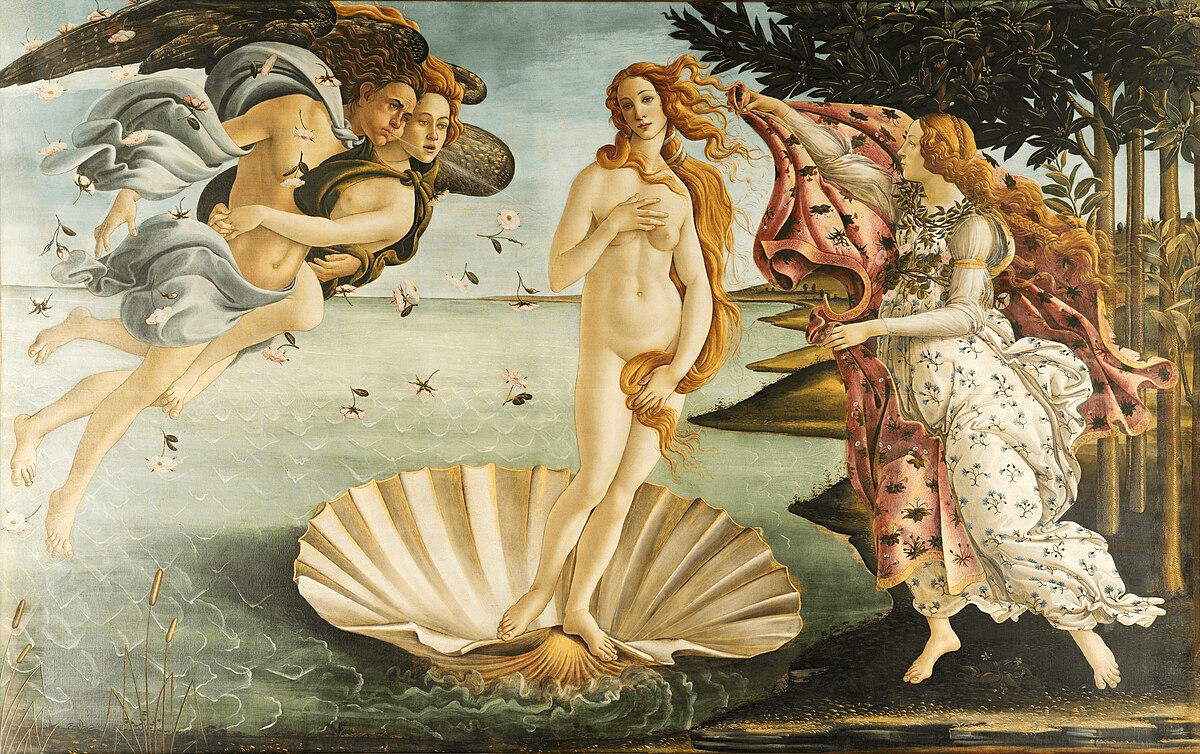
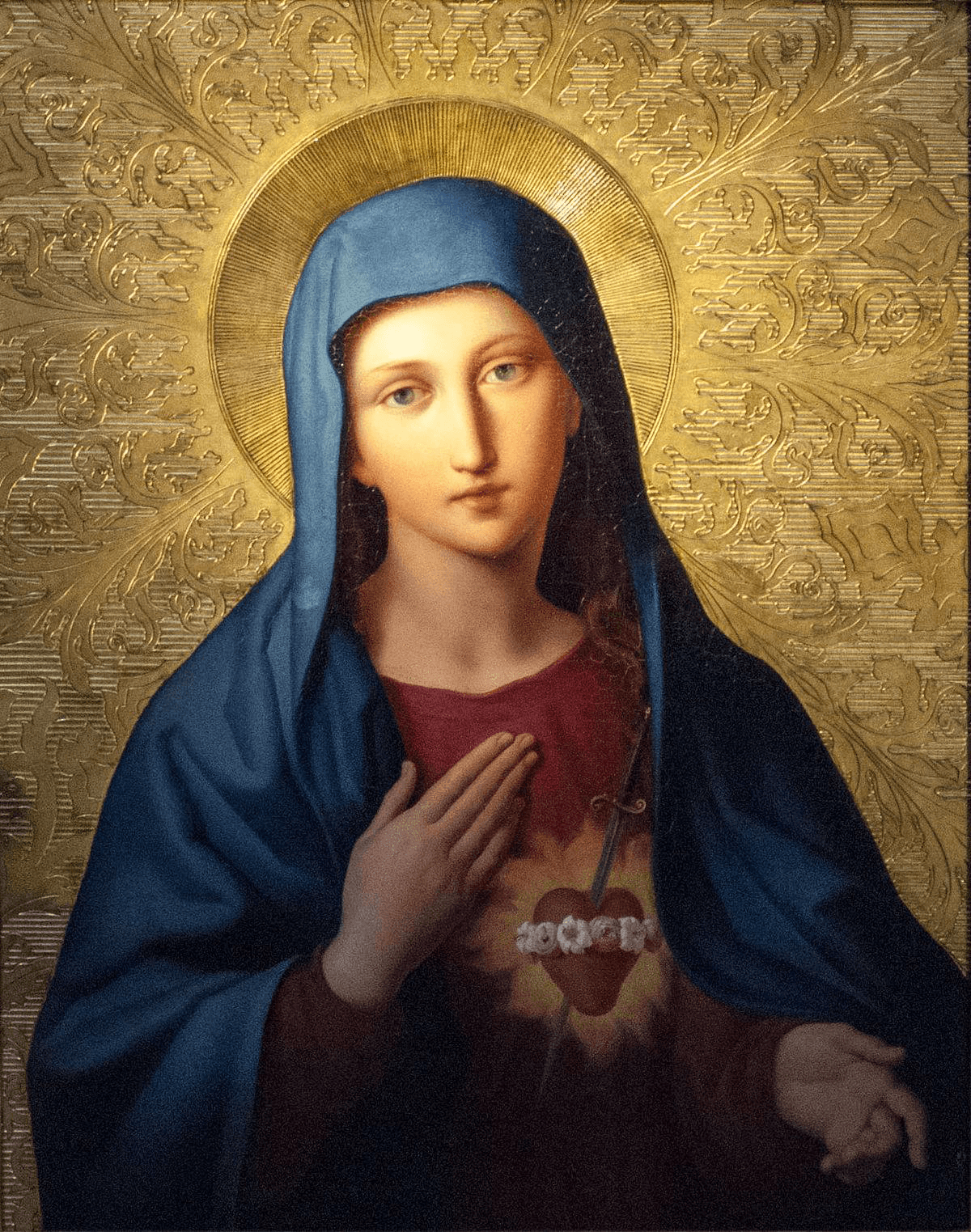
At its core, the education system functions as the factory of intellect, providing and maintaining narratives through the institution of peer-reviewed publishing. The ideas generated, approved and broadcast from the highest institution of knowledge (universities) will always make it to the public as the standard of intellectual reasoning.
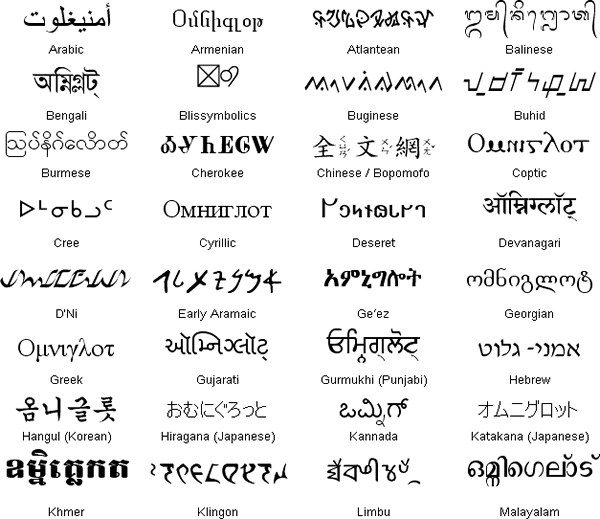
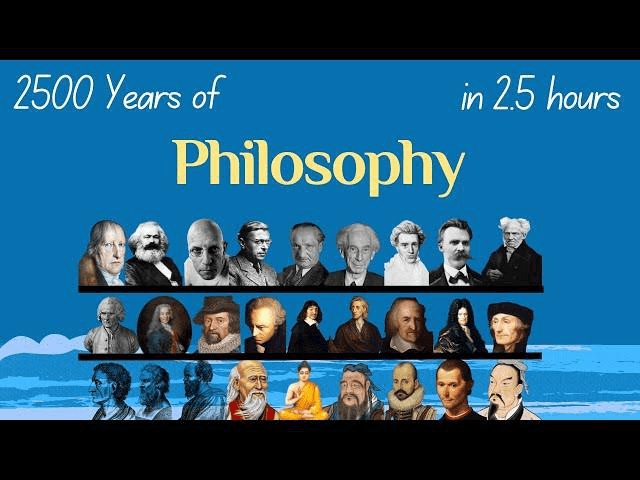
Talk to any Westerner about ideas, religion and philosophy, and you will be met with a recitation of similar names in chronology leading up to what is referred to as the Western Canon — Antiquity, Enlightenment, modernism, post-modernism, atemporality, metamodernism. In almost every other culture, written literary records have played a huge part in establishing intellectual foundations to orient the culture in an ideal carved in its own image.
That is to say, the Arabs, Asians, and Indians can all give an account of their intellectual history in a way that is grounded in text. Largely, these texts are religious in nature, consisting of sutras and poems, but a lot are also just assessments of thought, especially in Asia where practices like meditation were popular.
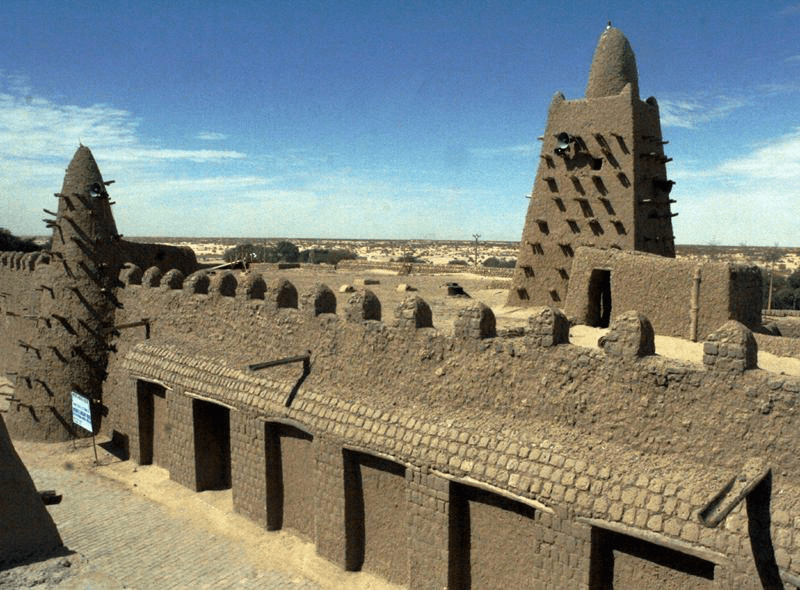
When these cultures were met with the Western imposition, it was impossible to completely disorient and reorient the people away from the ideals already fixed into their simulation because there was just no way of deleting the history in texts (not that the British did not try). Even in Nigeria, we see how colonial interference in the northern region was largely a matter of indirect rule, and the British avoided making any attempt to institute schools and churches in the region like they did further down south. That is because they were already deep in the Muslim tradition, which contained elements of group worship for resistance and text evidence that couldn’t be destroyed. In the other regions where publishing did not exist to hold the simulation in place, eradication and reorientation were easy.
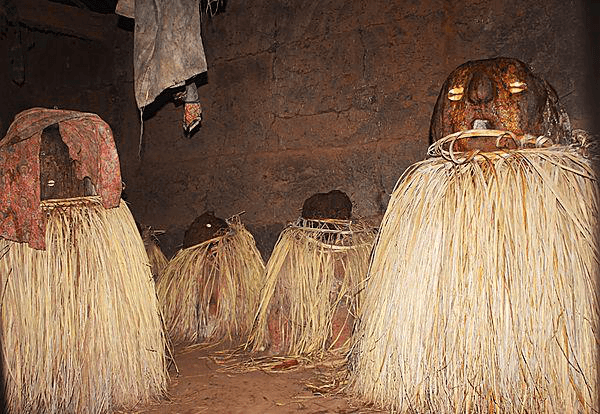
Today, we find ourselves in a situation where the pre-colonial African story is largely narrated by European anthropologists casting both biases and ignorance on the concepts they attempt to present with no contextual understanding. Imagine for example that no text existed in Buddhism and you discovered a group of people meditating before the carving of a fat-bellied laughing man with huge ears. The uninitiated might assume that Buddhists worship a carving or at least regard it to be a sort of god. This is the sort of misrepresentation African thought has suffered from in documentation that completely distorts concepts and ideas that we might never be able to rescue again. The ultimate price for this reference of African thought existing largely as magical thinking, often represented in language as “juju”, is the assumption that Africans have no intellectual history, and soon it calls into question the actual ability of Africans to be intellectual beings, as we can see with the German writer Hegel in his contemplations.
Shrine in Togo
For the most part, we are forced to build on the intellectual canon of the West branded as “Classics” and even made out to be compulsory study in your first year in Nigerian universities. One has to ask… is there truly no way of developing a curriculum that centres African philosophy while examining any of the great questions? Until there is a conscious effort made in developing a rich canon that is African-centred, we would continue to be forced to propagate the colonial canon and incidentally reproduce all the disadvantages of a decentred culture. Basically, we would continue to follow the European intellectual standard, buying into all its notions of reality including our place as aspirants of the great whiteness. We must ask ourselves, what is the African view on reality? Metaphysics? Knowledge? etc.
Fortunately, and this is a word that will not feature a lot in these notes, the Western intellectual model is grounded in comparative analysis. That is to say, ideas are accepted or rejected based on how they compare with what already exists that will be referenced in the text as the argument is made. For example, if you wanted to make an argument for a new form of government, you would have to present it in comparison to references that already exist and get a consensus that your argument is consistent via institutional validation, often by peer review.
This means once a curriculum establishing African metaphysics, epistemology, ethics and aesthetics can be put together, we can easily push our way into the intellectual stream via comparative/analytical philosophy, which has now become the global standard of intellectual practice. While I am not sure if I will live long enough to see this dream fully realised, it is definitely a major component in what I consider my intellectual life work.
Of course, this will not be easy, as establishing foundations for African precolonial thought without text faces an issue in the Western logocentric model where text is a requirement for entry. Perhaps it is about time to take the project of “logofying” African thought seriously. We need a popular canon that allows me to reference African modes of records like poems, proverbs, stories, and even performative rituals.
This is why even on the school level, there is no emphasis on pre-colonial African history. The subject of African spirituality doesn’t exist in the context of religious studies in the Nigerian curriculum, and I don’t think the West African Examinations Council even offers gradation for anything related to African spirituality. However, you get to choose between C.R.S and I.R.S (Christian Religious Studies and Islamic Religious Studies) because these are the only two valid modes of being according to the scheme of work signed off by the education board. Hence within the system itself, we see the reproduction of the colonial system that created the schools in the first place. We need textbooks to create our native canon!
It is only via logocentric standardisation that we can enter the global dialectic with our own perspective to compete in the marketplace of ideas to dispel this idea that African thought is founded on anything “magical” or somehow not intelligible by anyone not African. It needs to be spread in schools from a younger age to give the right orientation of the symbols of our culture, and while we are on the subject, let me mention that I take special exception to the phrase “magical realism” when applied to African novels centred on African cosmology and concepts. Our realities are real, not magical!
I will end this subsection with a question — we have moved from a time when the standard of reference was word-of-mouth often housed in stories and songs, to the era of paper making text the standard, before this moment in time where the digital is reintroducing the oral tradition with YouTube becoming arguably the largest centre of learning on the planet. These days we say “Google it” when in search of truth as a way to aggregate a few points of view (I know you never scroll past the first page). Soon, we would be saying “Let’s ask AI” — the same AI currently being fed datasets lacking in authentic presentation of African concepts. I mean, if I had a dollar for every misconception I had to read about Odinani (Igbo cosmology) on Wikipedia, I’d probably have enough to finally make a meaningful donation to the platform. How is Africa going to make sure we do not get written out of this AI future with all the distortions from the past that continue to trail our narrative?